

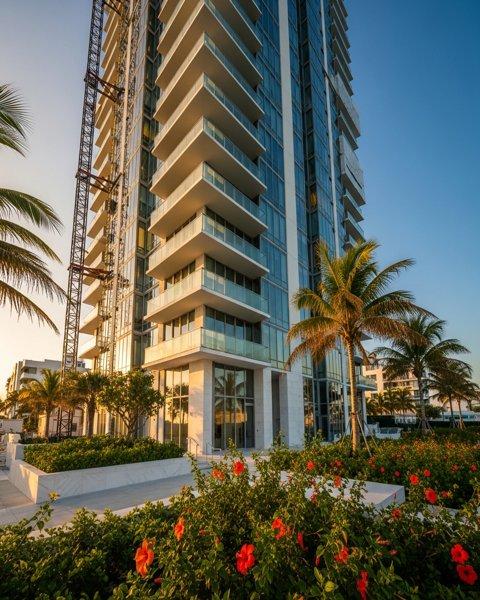
Downtown Miami Branded Residences: Navigating Local Ordinances & Warranty Disputes
Local ordinances in Downtown Miami can play an unexpected role in warranty disputes for branded residences, especially when early objections are missed. Navigating these challenges isn’t just about recognizing a violation, it’s about understanding the structured processes set by Florida condo law and how county codes shape every determination.
Aligning property evaluations with Miami-Dade County requirements means more than checking a box. Documentation becomes your shield, from policy provisions to inspection reports, and local building departments serve as valuable resources for both compliance standards and professional vetting. Presenting well-documented evidence early, clearly stating your grounds for objection, and requesting specific findings from boards can make all the difference if you end up in a violation hearing. Transparency around criteria, plus a thorough review of every policy’s fine print, remains essential for buyers and associations facing potential warranty roadblocks.
If clarity on local procedures or aligning with new construction warranty requirements is holding up your decision in Downtown Miami, having an experienced advocate with a proven process can turn a complex dispute into a managed opportunity.
The intersection of legal compliance and high-value asset preservation is a hallmark of the modern affluent buyer's journey, as highlighted in recent Global Wealth and Lifestyle Reports regarding the rising costs and complexities of maintaining premium urban real estate.
Strategic Insights: Downtown Miami
How do Miami’s unique wind-load and flood zone ordinances impact the long-term value of branded residences?
Downtown Miami is subject to some of the strictest building codes in the world due to its High Velocity Hurricane Zone (HVHZ) designation. For owners of branded residences, this means that warranty disputes often hinge on technical compliance with these specific local codes rather than just aesthetic finishes. Ensuring that glass systems and structural seals meet these evolving standards is vital for maintaining the lifestyle of security and exclusivity promised by luxury brands.
What role does the "40-year recertification" (now accelerated) play in the resale market for luxury condos?
Recent legislative shifts in Florida have significantly tightened the timelines for building safety inspections and reserve studies. In the luxury sector, savvy buyers now scrutinize the financial health of an association's "Milestone Inspection" reports. A building that stays ahead of these local ordinances typically enjoys higher appraisal values and smoother transitions during a sale, as it avoids the sudden special assessments that can disrupt a high-net-worth lifestyle.
How can "quiet enjoyment" ordinances in a bustling downtown environment affect short-term rental strategies?
While many branded residences offer flexible rental programs, Downtown Miami’s local noise and zoning ordinances can strictly limit how common areas are used after hours. Investors should look beyond the developer’s brochure to see how local municipal rules govern rooftop lounges and pool decks. Understanding these boundaries ensures that a property remains a peaceful sanctuary for the owner while staying compliant with city-wide hospitality regulations.
Why are sustainability and "Green Building" certifications becoming a priority for Miami’s elite residents?
Beyond environmental ethics, Miami-Dade County offers various incentives and expedited permitting for buildings that meet specific LEED or Florida Green Building standards. For the luxury resident, this translates to lower utility overheads and enhanced indoor air quality. Furthermore, as the city moves toward more aggressive carbon-neutral goals, properties that already meet these high standards are positioned as future-proof assets in the global real estate market.
In what ways do local parking and "right-of-way" codes influence the valet and concierge experience?
The seamless "door-to-door" service expected in a branded residence is often dictated by the City of Miami’s management of sidewalk widths and curb-cut permissions. If a dispute arises regarding the efficiency of a building's arrival experience, it is often tied back to these municipal constraints. Understanding the interplay between private luxury services and public infrastructure is key for residents who prioritize convenience and time-management as part of their daily routine.
![Luis Herrera | Senior Luxury Real Estate Associate at MILLION. Representing the firm Ranked #1 in the U.S. for New Construction, Luis Herrera is a premier bilingual advisor specializing in Miami luxury real estate and branded residences. He provides elite, data-driven representation for a sophisticated international clientele, with deep expertise in prestigious environments including St. Regis, Ritz-Carlton, and Four Seasons Residences. Luis secures unrivaled access to flagship developments like Aston Martin and Bentley Residences, ensuring his clients acquire exclusive properties that offer a luxury lifestyle today and a valuable legacy for tomorrow.
[En Español]: Asesor bilingüe en bienes raíces de lujo, especializado en asegurar propiedades exclusivas y preventas en el sur de la Florida.](https://assets.cdn.filesafe.space/dGpSqjW4vIeFqhLOtQWo/media/69abb71a618c8d66d544b3ce.jpg)


